Open-Air Village Museum (Skansen)
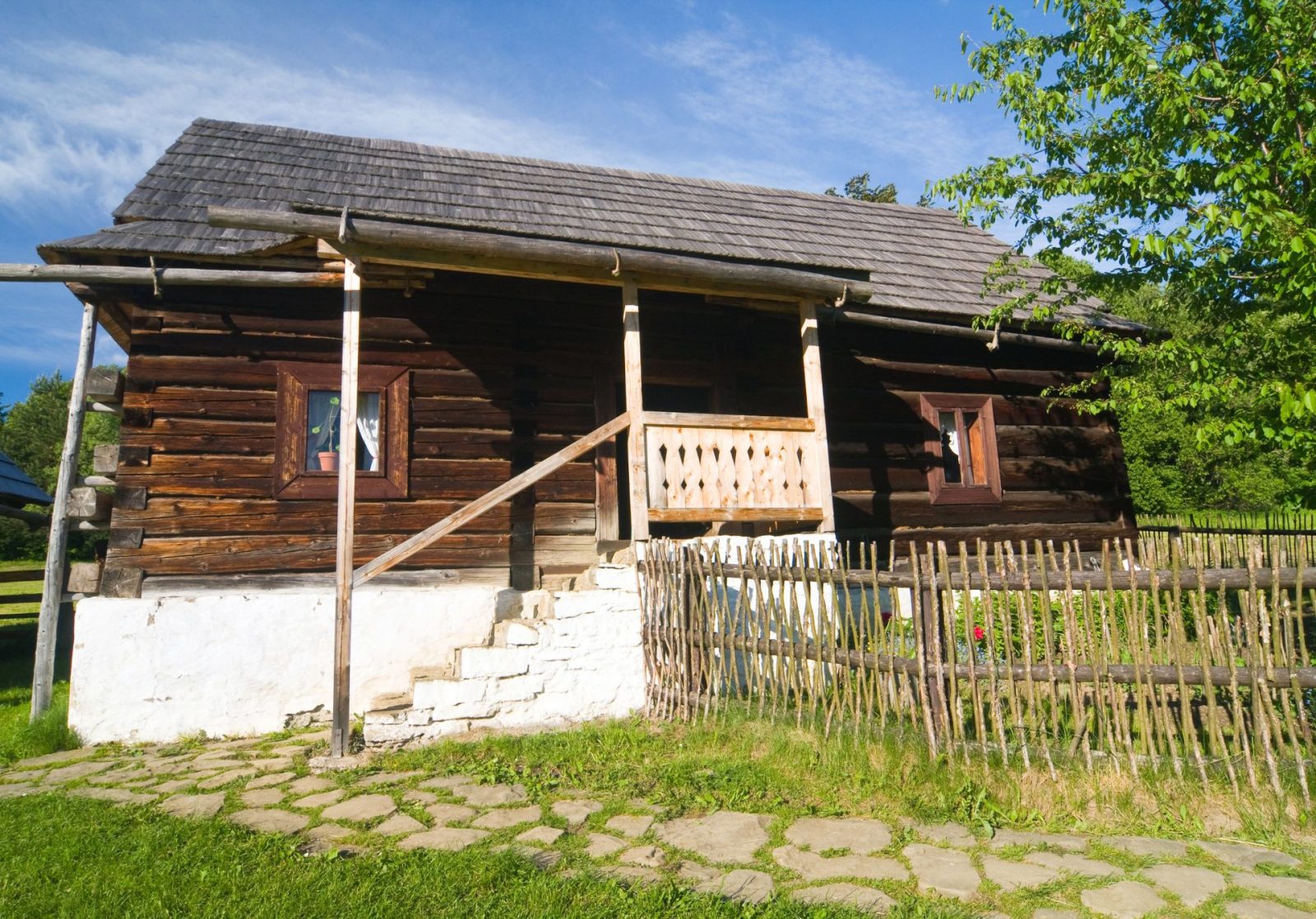
If you’re the kind of traveller who wants to do more than just tick landmarks off a list — who actually wants to feel a place — then Lublin’s Open-Air Village Museum (known locally as Muzeum Wsi Lubelskiej, or simply “Skansen”) is going to be one of the highlights of your Polish adventure. This isn’t a dusty hall of artefacts behind velvet ropes. It’s a living, breathing re-creation of centuries of rural Polish life, spread across nearly 30 hectares of rolling greenery right inside the city.
Think wandering through a real 18th-century manor, peering into a Greek-Catholic wooden church, or watching craftspeople work in ways that haven’t changed in generations — all while surrounded by weeping willows and the gentle sounds of the Czechówka River. Sound good? Let’s dig in.
What Exactly Is Skansen Lublin?
The term “skansen” comes from the original open-air museum concept pioneered in Sweden, and the Lublin version is modelled on that same philosophy: instead of bringing objects to a museum, you bring the entire buildings — farmsteads, churches, mills, manor houses — reassemble them in one place, furnish their interiors authentically, and let visitors walk right through history.
Nestled in the Sławinek District, just a short 15-minute drive from Lublin’s bustling city centre, the museum is one of the largest of its kind in Poland. Its collection doesn’t just show you one slice of regional life — it maps the remarkable cultural and ethnic diversity of the entire Lublin region, a crossroads of civilisations where Latin, Orthodox, Jewish, and Uniate cultures once coexisted, traded, and sometimes clashed.
“Visiting the sectors and buildings, one can get the impression that time stood still — the visit becomes an opportunity for an exceptional journey and a tangible meeting with the past.”
The Seven Worlds Inside the Museum
The museum is thoughtfully divided into distinct sectors, each reflecting a different landscape and ethnographic zone of the Lublin region. Walking from one to another genuinely feels like travelling across the countryside.
- Lublin Upland — The oldest sector, anchored by a windmill from Zygmuntów, the very first building transferred to the museum when it was founded. Village huts here are beautifully restored and filled with original household objects.
- Roztocze — Home to one of the museum’s most spiritually striking structures: a Greek-Catholic (Uniate) church from Tarnoszyn. This is a rare, moving reminder of the region’s complex multicultural past.
- Powiśle (Vistula Region) — A charming sector where the landscape opens up near water, perfect for a slower, more contemplative stroll.
- Podlasie and Nadbuże — These adjoining sectors showcase the distinctive building styles and folk traditions of eastern Lublin’s borderland communities.
- Manor Sector — The showpiece here is a grand 18th-century manor house from Żyrzyn, surrounded by a picturesque garden. Step inside and you’re transported to the world of mid-wealthy Polish gentry, complete with period furniture and personal effects.
- Provincial Town Sector — Perhaps the most theatrical part of the museum. This is a meticulously reconstructed small Polish town from the 1930s, complete with a market square and surrounding buildings — the result of a major development project completed between 2010 and 2013.
A Living Museum, Not a Static One
What truly elevates Skansen Lublin above many comparable heritage sites is its commitment to being alive. The museum isn’t just about looking at old things — it’s about experiencing how those old things functioned, and what they meant to the people who used them.
Throughout the year, the calendar is packed with events tied to the traditional farming and ritual year of the Polish countryside. These aren’t watered-down tourist shows; they’re genuine cultural reconstructions that connect you to seasonal rhythms that shaped Polish village life for centuries.
- Harvest Festival (Dożynki) — A beloved annual event celebrating the end of the harvest season, with traditional songs, dances, and folk costumes.
- Midsummer’s Eve (St. John’s Eve) — One of the most magical nights of the folk calendar, recreated with bonfires and ancient customs.
- Horse Fair Recreations — Based on the vibrant horse fairs of the interwar period, these events are colourful, energetic, and deeply nostalgic.
- Hay Mowing Demonstrations — Visitors can watch traditional mowing techniques brought back to life when the grass is in bloom.
- Educational Workshops for Schools — Hands-on sessions covering folk rites, seasonal traditions, and regional history — brilliantly done for all age groups.
Highlights You Absolutely Cannot Miss
With nearly 30 hectares to cover, it helps to know where the real gems are. Here are the must-sees that visitors rave about most:
- The 17th-century Roman Catholic church — a breathtaking piece of sacred wooden architecture.
- The Greek-Catholic church from Tarnoszyn — spiritually and historically significant, and beautifully preserved.
- The Żyrzyn Manor House — one of the finest reconstructed gentry interiors you’ll find anywhere in Poland.
- The 1930s Town Sector — especially atmospheric; the market square feels eerily real.
- The lakeside areas — gorgeous spots for photography, with weeping willows trailing into still water.
- The windmill from Zygmuntów — the museum’s founding object and still one of its most iconic sights.
Practical Tips for Your Visit
Before you lace up your walking shoes, here’s the intel you need to make the most of your trip. The site is large — reviewers consistently recommend setting aside two to three hours minimum, and a full half-day if you want to take it all in properly. Comfortable footwear is non-negotiable.
Quick Visitor Info
- Address: Al. Warszawska 96, 20-824 Lublin
- Getting there: Easily accessible by public transport from Lublin city centre — about 15 minutes by bus or tram.
- Free entry day: One day per week offers free admission (check the website in advance — the day varies).
- Group tours: Maximum 30 people per guided group; advance booking recommended.
- Cancellations: Notify at least 1 day before or a fee applies.
- Website: www.skansen.lublin.pl | Tel: +48 81 533 85 13
- Best time to visit: Spring through early autumn — many events run May–September.
For families, this is an outstanding day out — the open, park-like setting means children can roam freely, and the educational workshops are genuinely engaging rather than lecture-heavy. Many families return year after year, noting that children discover new details and deeper meaning with each visit as they grow. Picnicking on the grounds is also entirely feasible — the space is generous and well-maintained.
Why Skansen Lublin Belongs on Your Itinerary
Poland’s history is layered, complex, and sometimes difficult to access. Skansen Lublin makes that history tactile. You don’t just learn about the Lublin region’s cultural diversity here — you walk through it, open doors in it, sit in its churches and manor houses. The museum’s curatorial philosophy is clear: material culture and intangible heritage belong together. You can’t truly understand a region’s folk traditions without stepping into the buildings where those traditions lived.
For the concierge-minded traveller looking to recommend something genuinely distinctive to guests visiting Lublin, this is it. It appeals to history buffs, architecture lovers, photographers chasing that golden-hour shot by the lake, families looking for an educational adventure, and anyone who simply enjoys a long, thoughtful walk somewhere beautiful. It’s one of those rare places where you leave knowing you’ve experienced something real.
The Takeaway
The Open-Air Village Museum (Skansen) in Lublin is one of Poland’s largest and most immersive heritage experiences, spanning nearly 30 hectares in the valley of the Czechówka River. Its seven distinct ethnographic sectors — from the Lublin Upland and the mystical Roztocze church to the striking 1930s town recreation — offer a panoramic journey through centuries of regional life. Packed with authentic architecture, reconstructed interiors, seasonal festivals, and hands-on education, it’s a living museum in the truest sense. Whether you’re planning a family day trip, a cultural deep-dive, or simply want an afternoon of beautiful, unhurried exploration, Skansen Lublin delivers every time. Put it at the top of your Lublin list — you won’t regret it.