
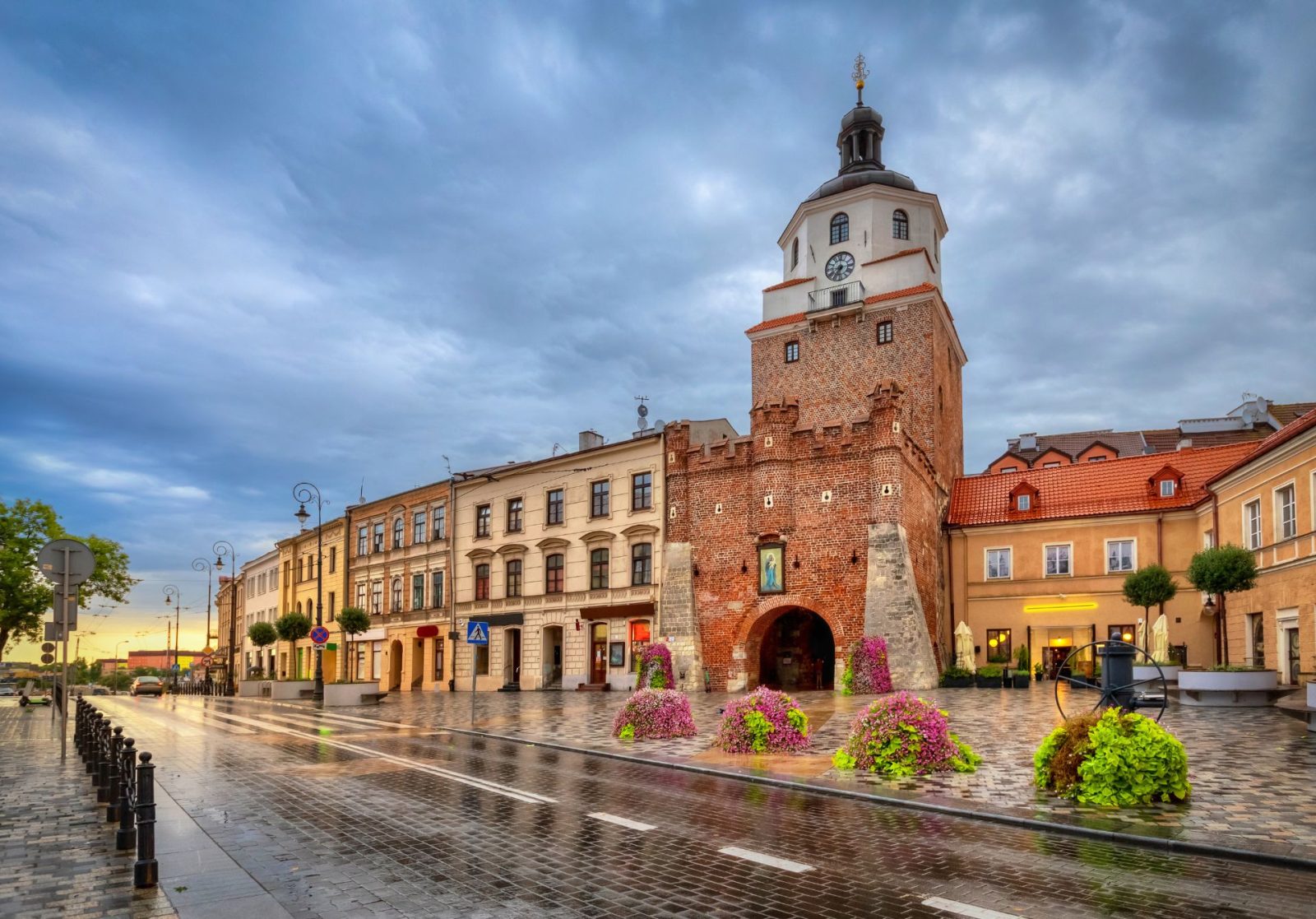
Kraków Gate (Brama Krakowska)
If you’re planning a trip to eastern Poland and Lublin is on your radar — good call. But if you walk through the city without stopping at the Kraków Gate (Brama Krakowska), you’ve genuinely missed the heart of the place. This isn’t just another old tower ticked off a tourist checklist; it’s a living, breathing portal to seven centuries of Polish history. Whether you’re a casual sightseer, a history enthusiast, or a concierge helping a client make the most of their time in Lublin, the Kraków Gate is non-negotiable. Here’s everything you need to know.
What Exactly Is the Kraków Gate?
The Brama Krakowska, also known as the Cracow Gate, is a stunning medieval gate in Lublin, Poland. Constructed in the 14th century, it stands as an iconic landmark that reflects the city’s rich history and cultural significance. Think of it as the ceremonial front door to Lublin’s Old Town — a towering Gothic structure that has watched over the city for nearly 700 years.
Often referred to historically as the “Upper Gate,” with Grodzka Gate on the other end being the lower gate of the old centre, the westward road leading out of the city follows the historic trail towards Kraków, hence the gate’s name, as well as the road and district on the outside of the old town — Krakowskie Przedmieście.
The Cracow Gate was considered the most elegant element of the Old Town, and as a result, royal and parliamentary entourages would enter the city through this gate. In other words, kings and courtiers passed through this very archway. That’s the kind of history you can actually feel when you step beneath it.
A Brief History: From Fortress to Museum
The story of the Kraków Gate is one of constant reinvention. Understanding its history makes the visit so much richer.
- 1341 — The Tatar Attack That Changed Everything: After a devastating Tatar raid of 1341, it was decided that the city would be surrounded with fortified walls and gates. The Kraków Gate was born out of necessity — a defensive response to very real danger.
- King Casimir III the Great: The gate’s construction was commissioned under the reign of King Casimir III the Great, and its architectural marvels, including its Gothic design and Renaissance enhancements, serve as a vivid reflection of the era’s artistic and cultural advancements.
- 16th Century — A Renaissance Makeover: In the 16th century, the gate was reconstructed in the Renaissance style, introducing new architectural elements such as decorative attics and ornate facades. This period also saw the addition of a clock tower, which became a prominent feature of the gate.
- 17th Century — Goodbye Drawbridge: A drawbridge used to be attached to the front, which dropped over a moat. That particular state-of-the-art defensive measure was filled in around the 17th century.
- 1965 — Becoming a Museum: Since 1965, the Kraków Gate has been home to the Museum of the History of the City of Lublin. The last repairs of the gate were concluded in 2007.
The Architecture: A Stone-by-Stone Story
One of the most fascinating things about the Kraków Gate is that you can literally read centuries of history in its walls. Each layer of the structure tells a different chapter.
The present appearance of the gate combines features of a number of architectural styles. The oldest part of the gate (Gothic style) was built using limestone and bricks arranged in a checker pattern on the outside walls.
The lower Gothic section was made of bricks and limestone, while the upper section was made of thin bricks. The octagonal Baroque tower was built in the 16th century. This layering of Gothic, Renaissance, and Baroque elements in a single structure makes the Kraków Gate something of an architectural time capsule — and a dream for anyone who loves detail.
Visitors praise its Gothic architecture with a tall tower and decorative elements, offering picturesque views of the historic area. And those views? They’re genuinely spectacular — particularly at golden hour.
What to Expect When You Visit
Planning a visit is straightforward, but here are a few insider tips to help you get the most out of the experience.
- The Museum Inside: Inside, the Cracow Gate houses a museum that delves into the rich history of Lublin. Here, you can explore engaging exhibitions that showcase artifacts, documents, and multimedia presentations that narrate the evolution of this vibrant city.
- Opening Hours & Admission: The gate is open 10:00–17:00, closed Monday and Sunday. Admission is 6/5 zł, with free entry on Thursdays. At those prices, it’s one of the best value experiences in the city.
- The View from the Top: Climb the tower and you’ll be rewarded with sweeping views over Krakowskie Przedmieście — the grand boulevard stretching westward from the gate. It’s one of Lublin’s best photo spots.
- The Night Experience: As night falls on Lublin, the Brama Krakowska becomes more than just a city gate — it becomes a glowing portal through time. Lit from below and crowned with a timeless clock, the tower stands with quiet strength at the edge of the Old Town, its brick walls bearing witness to centuries of history. Don’t miss an evening stroll past the gate after dinner.
- Getting There: The gate is located at Bramowa 2, 20-400 Lublin. For those already in the city center, it is easily accessible on foot from the Old Town Square, with a walk of around 10–15 minutes. By public transport, buses 5, 15, or 30 from the main station will drop you nearby.
⭐ Concierge TipBook a guided walking tour of the Old Town that begins at the Kraków Gate — local guides bring the history alive in ways that no audio guide can match. Several operators offer private tours departing from Bramowa Street, and the gate makes for an unforgettable starting backdrop.
Beyond the Gate: What’s Nearby
The Kraków Gate sits at the perfect junction for exploring more of Lublin’s Old Town. Once you’ve passed through the archway, a whole world of cobbled streets and heritage opens up.
- Grodzka Gate (Brama Grodzka): The gate at the opposite end of the Old Town, historically known as the “Jewish Gate,” which once separated the Christian and Jewish quarters of Lublin. It’s now a poignant cultural centre.
- The Lublin Underground Trail: A fascinating network of underground chambers beneath the Old Town — highly recommended for anyone who wants to go deeper (literally) into the city’s history.
- Crown Tribunal (Trybunał Koronny): A stunning Renaissance building on the Rynek (main square), where Poland’s highest court of appeal once sat.
- Lublin Cathedral: The Metropolitan Cathedral of St. John the Baptist, a short walk from the gate, with remarkable trompe-l’œil ceiling frescoes.
- Krakowskie Przedmieście: The elegant boulevard just outside the gate, lined with cafés, restaurants, and the kind of European street life that makes you want to linger over coffee for hours.
Why the Kraków Gate Matters Today
Originally part of the medieval city walls, Brama Krakowska was not just a gate but a symbol of protection and connection, linking Lublin with Kraków. Today, it still connects — past with present, and locals with visitors.
Lublin is one of Poland’s most underrated cities. While visitors pour into Warsaw and Kraków, those in the know are discovering that Lublin’s Old Town offers an equally rich experience with far fewer crowds. The Kraków Gate is the symbol of that authenticity — a landmark that hasn’t been polished into a theme-park version of history, but remains genuinely, beautifully old.
It invites you not just to walk through, but to pause, look up, and remember that every brick was placed with purpose — and every passage through it is part of an ongoing story.
The Bottom Line
The Kraków Gate (Brama Krakowska) is far more than a pretty backdrop for holiday photos — though it’s absolutely that too. It’s the defining symbol of Lublin’s identity: resilient, layered, and endlessly fascinating. Built after a Tatar raid in 1341, shaped by Gothic, Renaissance, and Baroque hands over the centuries, and now home to a thoughtful city history museum, it represents everything that makes central European travel so rewarding.